मराठीसाठी वेळ काढा

मराठीसाठी वेळ काढा

मराठीत टंकनासाठी इन्स्क्रिप्ट की-बोर्ड शिका -- तो शाळेतल्या पहिलीच्या पहिल्या धड्याइतकाच (म्हणजे अआइई, कखगघचछजझ....या पद्धतीचा ) सोपा आहे. मग तुमच्या घरी कामाला येणारे, शाळेत आठवीच्या पुढे न जाउ शकलेले सर्व, इंग्लिशशिवायच तुमच्याकडून पाच मिनिटांत संगणक-टंकन शिकतील. त्यांचे आशिर्वाद मिळवा.

सोमवार, 6 जुलाई 2015

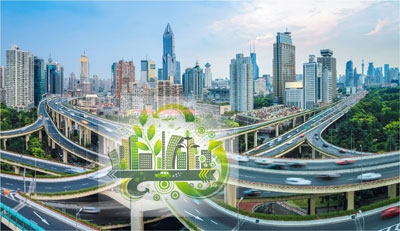
स्मार्ट सिटी कशासाठी कोणासाठी भाग 2 - साप्ताहिक विवेक 28 Jul 2015

स्मार्ट सिटी कशासाठी कोणासाठी भाग 2
साप्ताहिक विवेक
****लीना मेहेंदळे***
लोकसहभाग हा एक महत्त्वाचा मुद्दा स्मार्ट सिटीसाठी आवश्यक ठरतो. जीवनमान उंचावणे हेही महत्त्वाचे, आणि जीवनमूल्यांचे काय? तर आपण हे विसरता कामा नये की स्मार्ट सिटीची संकल्पना आणि जीवनमूल्ये ही एकमेकांना पूरक असावी लागतात. सरकारदरबारी झटपट काम होण्यासाठी जी यंत्रणा व ज्या मनोवृत्तीची यंत्रणा हवी,
ती निव्वळ दंडात्मक कारवाईचा धाक दाखवून तयार होऊ शकत नाही. तिथे जीवनमूल्यांचा संबंध अपरिहार्यपणे येतोच. स्मार्ट सिटी या विषयावरील लेखाचा पहिला भाग सा.विवेकच्या 19 जुलै 2015 च्या अंकात प्रकाशित झाला होता. त्याच लेखाचा पुढील भाग.
स्मार्ट सिटी! आपल्या देशात हा शब्द आता 2015मध्ये फॅशनेबल झाला. पण मुळात ही संकल्पना युरोपीय देशांमध्ये 2005च्या सुमारास उदयाला आली आणि माहिती तंत्रज्ञानाच्या साहाय्याने लोकव्यवहार सुरळीत व सुटसुटीत करण्याकडे त्याचा संपूर्ण भर होता. इथे सुरळीत व सुटसुटीत यातील फरक समजून घेतला पाहिजे. वीज बिल भरायला आलेली सर्व मंडळी शिस्तशीरपणे रांगेत उभी राहून वीज बिल भरत असतील, तर तो व्यवहार सुरळीत झाला असे म्हणायचे; पण वीज बिल भरण्यासाठी खूप खिडक्या असल्या किंवा खूप विकेंद्रीकरण करून शहरात जागोजागी भरणा केंद्र असतील की ज्यामुळे बिले पटापट भरली जातील, तर हा व्यवहार सुटसुटीत झाला असे म्हणायचे. तर मग अशा प्रकारे व्यवहार सुटसुटीत होण्यासाठी संगणकाचा आणि इंटरनेटचा वापर हे मोठे साधन होते. युरोपीय देशांनी स्मार्ट सिटीसाठी सरकारी कामकाज, ट्रॅफिक ऍंड ट्रान्सपोर्ट, ऊर्जा, आरोग्य आणि पाणी व सांडपाण्याचा निचरा असे काही विषय निवडले. यामधील प्रत्येक विषयात संगणकाचा वापर करून कित्येक व्यवहारांना सुटसुटीत करणे शक्य आहे.
एक छोटे उदाहरण समजून घेऊ या. रेल्वेचे किंवा बसेसचे आरक्षण आता आपण घरबसल्या संगणकावर करू शकतो. यामुळे सर्वांचा वेळ आणि त्रास वाचतो. अशी कितीतरी कामे संगणकाच्या वापराने करता येतात. मात्र संगणकाचा वापर ही तिसरी किंवा चौथी पायरी असते. त्या आधी काहीतरी असावे लागते - उदा. बसेस असाव्या लागतात, त्या चालवणाऱ्या संस्थेतील माणसांकडे संगणक हाताळण्याची क्षमता असावी लागते. चांगले रस्तेही असावे लागतात. म्हणूनच स्मार्ट सिटीच्या संकल्पनेमध्ये भौतिक व पायाभूत सुविधा - म्हणजेच रस्ते व बसेस आवश्यक ठरतात. तसेच ऊर्जा बचत होणे हेही महत्त्वाचे ठरते. आपण स्मार्ट सिटीत राहत असू, तर फक्त कामे सुटसुटीतपणे होणे एवढेच पुरेसे नसते. त्याबरोबर प्रदूषण नसणे, वीज व पाणी वारंवार न जाणे, एकंदरीत जीवनमान उंचावणे हेही आवश्यक आहे. सरकारी कार्यालयांमधून वेळच्यावेळी आपली कामे होणे हेही महत्त्वाचे आहे. शिवाय या सर्व बाबींमध्ये नागरी सहभाग अत्यावश्यक आहे. याही पलीकडे जाऊन नैसर्गिक साधनसंपत्तीचा वापर चिरंतनतेच्या दिशेने होणे गरजेचे आहे, असे जगभरातील सर्वच तज्ज्ञांनी म्हटले आहे.
त्यामुळे निसर्गविघातक गोष्टी घडत असतील, तर त्याला स्मार्ट सिटी म्हणता येणार नाही. थोडक्यात स्मार्ट सिटीचा प्रवास हा पायाभूत सुविधा असणे, त्यांच्या आधारे सरकारदरबारी कामे झटपट होणे, सरकारी खर्चाबाबत लोकांना माहिती असून त्यावर लोकांचा वचक असणे, या सर्वांसाठी संगणक व माहिती तंत्रज्ञानाचा वापर, नैसर्गिक संसाधनांची चिरंतनता टिकेल या पध्दतीने त्यांचा वापर, ऊर्जा बचत, जीवनमान उंचावणे (यामध्ये प्रदूषण कमी होणे व आरोग्य सुविधा उपलब्ध असणे यांचा समावेश आहे.) आणि सरकारी कामकाजामध्ये लोकांचा सहभाग असा मोठया पल्ल्याचा प्रवास ठरतो. यामध्ये नवीन संशोधन आणि कल्पकता या दोन्ही बाबींना खूप वाव आहे.
मला एक तुलना करावीशी वाटते - गेल्या दहा वर्षात रस्तेबांधणीचे व घरबांधणीचे काम सुमारे दसपटीने वाढले आहे आणि त्यासाठी खूप मोठया प्रमाणावर डोंगर कापणे, वाळू उपसणे हे प्रकार मोठया प्रमाणावर होत आहेत व त्यातून पर्यावरणाला धोका आहे. या पार्श्वभूमीवर नुकतेच पाहिले की, अमेरिकेत ज्या शहरांमध्ये मोठया प्रमाणावर घरबांधणी होत आहे, तिथे तीन-चार मजली घरांपर्यंत लाकडी घरे बांधली जात आहेत. फक्त लिफ्टसाठी व पायासाठी काँक्रिटचा वापर केला जातो. जे लाकूड घरांसाठी वापरले जाते, त्या प्रकारची झाडे मोठया प्रमाणावर लावली जात आहेत, जेणेकरून पुढील 15 ते 20 वर्षात ती झाडे पुढील बांधकामासाठी तयार होतील. या प्रकारे डोंगर व त्यातील दगड वापरून संपण्याऐवजी जे पुनःपुन्हा उगवता व वापरता येईल असे लाकूड वापरले जात आहे.
मी पेट्रोलियम कॉन्झर्वेशन रिसर्च असोसिएशन या संस्थेत डायरेक्टर असताना आमच्या 2004-2005च्या वार्षिक अहवालात मी एक संकल्पना मांडली होती - एनर्जी ऑडिटिंग इंडिया - म्हणजे भारताची ऊर्जा-लेखा-चाचणी. यामध्ये सुचवलेले बरेच मुद्दे आजच्या स्मार्ट सिटीच्या दिशेने जाणारे आहेत. माझ्या मते प्रामुख्याने शहरातील वाहन प्रदूषण थांबवण्याचे उपाय, घन-कचऱ्याची विकेंद्रित प्रकारे केलेली विल्हेवाट, ऊर्जा बचत करणारे घरबांधणीचे डिझाइन, पेयजलाचा दुरुपयोग टाळणे व सरकारी कामांची संगणकावरून माहिती पुरवणे या गोष्टी मोडतात.
आपण भौतिक सुविधा निर्माण करतो, पण त्यांचा योग्य वापर करू शकत नाही. पुण्यामध्ये BRT Design आणले, त्यांच्यासाठी समर्पित असे रस्ते ठेवले; पण बस सेवा एवढी कमी आहे की शेजारील लेनवर गाडयांची तोबा गर्दी आणि BRTमधील रस्ते उगीचच रिकामे पडून, असे चित्र दिसते. अशा वेळी निव्वळ BRT रस्ते तयार केले, म्हणून पुणे 'स्मार्ट सिटी' झाली असे म्हणता येणार नाही.   
सिटीसाठी आवश्यक ठरतो. जीवनमान उंचावणे हेही महत्त्वाचे, आणि जीवनमूल्यांचे काय? तर आपण हे विसरता कामा नये की स्मार्ट सिटीची संकल्पना आणि जीवनमूल्ये ही एकमेकांना पूरक असावी लागतात. सरकारदरबारी झटपट काम होण्यासाठी जी यंत्रणा व ज्या मनोवृत्तीची यंत्रणा हवी, ती निव्वळ दंडात्मक कारवाईचा धाक दाखवून तयार होऊ शकत नाही. तिथे जीवनमूल्यांचा संबंध अपरिहार्यपणे येतोच. युरोपीय देशात किंवा अमेरिकेत यातील काही तत्त्वे भिनलेली दिसतात. आपल्याकडे त्यांची वानवा दिसते. पण आपण अजूनही हा फरक ओळखलेला नाही. स्मार्ट सिटीज करण्यासाठी मोठया प्रमाणावर प्रशिक्षणाची व लोकमानसात जीवनमूल्ये रुजवण्याची गरज आहे, त्यासाठी कोणतीच वैचारिक प्रक्रिया सुरू झालेली मला दिसत नाही.
युरोपातील व अमेरिकेतील कित्येक शहरांमधला माझा अनुभव- तेथील बागा व वाचनालयांसाठी स्वयंसेवा भावनेने काम करण्याचे आवाहन केले जाते. तिथल्या वृध्द मंडळींनादेखील वेळेचा सदुपयोग करण्यासाठी ही चांगली सोय असते. त्यांना काय काम करायचे, कसे करायचे हे प्रशिक्षण देऊन स्वयंसेवी लोकांकरवी ही कामे केली जातात. खास सहली काढून विद्यार्थ्यांना प्रशिक्षित केले जाते. ही योजनापूर्वक आखणी केली, करता आली तरच खूप काही हव्याहव्याशा गोष्टी अत्यल्प खर्चात करता येतात व नकोशा गोष्टी टाळता येतात.
म्हणूनच माझ्या मते स्मार्ट सिटीच्या निमित्ताने सरकारी कर्मचारी आणि जनता या दोघांना प्रशिक्षित करण्याची वेळ आणि संधी दोन्ही आलेल्या आहेत. ते न करताच ही योजना पुढे रेटत राहिलो, तर तिचाही बोजवारा उडायला वेळ लागणार नाही. म्हणूनच आज हिरिरीने असे प्रशिक्षण हाती घेणे गरजेचे आहे.
------------------------------------------------------------------------------------------------------------------
HEMANT JOSHI
Ref: Your Article in VIVEK about Smart City.
I just read your article in saptahik Vivek. It was very informative and particularly useful as some Swayansevaks from Sambhajinagar are having a meeting this Sunday regarding the same subject. 
We are particularly interested in participation of common man in the city's development. 
Thanks for giving inputs to our meeting.
With Regards
Hemant Joshi
Aurangabad


लीना मेहेंदळे (Leena Mehendale) leena.mehendale@gmail.com
अशी पावती देणारे विरळाच. धन्यवाद.
 मीही औरंगाबादला जि.प प्रमुख म्हणून काम केलेले आहे (१९८१-८२) तुमच्या उपक्रमाबद्दल माझी उत्सुकता असेलच.
माझ्या लेखांत मी मोठ्या प्रमाणावर प्रशिक्षण आवश्यक असल्याचे लिहिले आहे. २ उदाहरणे -- शाळेतील विद्यार्थी तसेच उत्साही ज्येष्ठ नागरिक बागबगीचांच्या साफसफाईत स्वयंसेवा देऊ शकतात. त्यानंतर तिथेच त्यांचे पर्यावरण, वनस्पतिशास्त्र, पेंटिंग, कचरा व्यवस्थापन, निसर्ग-कविता अशा कित्येक विषयांवर प्रबोधन होऊ शकते. ही व्यवस्था टिकाऊ रहाण्यासाठी एखादे छोटेखानी ऑफिस-- फारसा फापटपसारा न ठेवता -- असावे. तिथून कार्यक्रमांची माहिती, सहभागिता नोंदवणे, मनपासोबत बैठका इत्यादि करता येईल. मुख्य म्हणजे स्मार्ट सिटीसाठी नागरिक आवर्जून प्रयत्न करू इच्छितात आणि शासन त्यांचे स्वागत करते ही परस्परांची गरज आणि विश्वास ओळखणे, टिकवणे, वाढवणे हे अत्यावश्यक आहे.  
--------------------------------------------------------------------------------------------------
A smart city (also smarter city) uses digital technologies or information and communication technologies (ICT) to enhance quality and performance of urban services, to reduce costs and resource consumption, and to engage more effectively and actively with its citizens. Sectors that have been developing smart city technology include government services,[2] transport and traffic management, energy,[3] health care,[4] water and waste.
European Union (EU) has devoted constant efforts to devising a strategy for achieving 'smart' urban growth for its metropolitan city-regions. The EU has developed a range of programmes under ‘Europe’s Digital Agenda". In 2010, it highlighted its focus on strengthening innovation and investment in ICT services for the purpose of improving public services and quality of life

 Deakin and Al Wear list four factors that contribute to the definition of a smart city:
The application of a wide range of electronic and digital technologies to communities and cities
The use of ICT to transform life and working environments within the region
The embedding of such ICTs in government systems
The territorialisation of practices that brings ICTs and people together to enhance the innovation and knowledge that they offer.
Make more efficient use of physical infrastructure (roads, built environment and other physical assets) through artificial intelligence and data analytics to support a strong and healthy economic, social, cultural development.
Engage effectively with local people in local governance and decision by use of open innovation processes and e-participation, improving the collective intelligence of the city’s institutions through E-Governance, with emphasis placed on citizen participation and co-design.
Learn, adapt and innovate and thereby respond more effectively and promptly to changing circumstances by improving the intelligence of the city.
Some major fields of intelligent city activation are:
Innovation economy
Innovation in industries, clusters, districts of a city
Knowledge workforce: Education and employment
Creation of knowledge-intensive companies
Urban infrastructure--Transport
Energy / Utilities
Protection of the environment / Safety
Governance-- Administration services to the citizen
Participatory and direct democracy
Services to the citizen: Quality of life

PM Modi had announced his vision to set up 100 smart cities across the country soon after his government was sworn into power mid last year. Since then a race has been on among cities to land on the list that the ministry of urban development is compiling. The 100 smart cities mission intends to promote adoption of smart solutions for efficient use of available assets, resources and infrastructure. 
A city equipped with basic infrastructure to give a decent quality of life, a clean and sustainable environment through application of some smart solutions.

Assured water and electricity supply, sanitation and solid waste management, efficient urban mobility and public transport, robust IT connectivity, e-governance and citizen participation, safety and security of citizens.

Public information, grievance redressal, electronic service delivery, citizens’ engagement, waste to energy & fuel, waste to compost, 100% treatment of waste water, smart meters & management, monitoring water quality, renewable source of energy, efficient energy and green building, smart parking, intelligent traffic management system.

The next step is identification of the 100 cities and for this a city challenge competition to be conducted by Bloomberg Philanthropies is envisaged. The current plan looks to select 20 cities this year followed by 40 each in the next two years.

Smart Cities Council India has been formed. It is part of the US-based Smart Cities Council, which is a consortium of smart city practitioners and experts, with a 100-plus member and advisor organizations operating in over 140 countries.
A Special Purpose Vehicle will be created for each city to implement Smart City action plan. The SPV will be signed with the urban local body, state government and the Centre for implementation of the project.
After government announces the guidelines, states will be asked to nominate names of cities for a ‘City Challenge Competition’ and the chosen ones will get Central fund of Rs 100 crore each year for 5 years.
The basic criteria for selection of a city/municipal area
on line e-governance
e-newsletter
all govt expenditure online
5% increase in latrines e-record of employees salary
track record of citizen participation and urban reforms

1. Retrofitting 500 acres: Planning in an existing built-up area in a municipal ward, preparing plan with citizen participation (example: Connaught Place in Delhi, Bhendi Bazar in Mumbai).

2. Greenfield 250 acres: Introduce smart solutions in a vacant area using innovative planning (example: land pooling/land reconstitution in Outer Delhi, GIFT city in Gujarat).

3. Redevelopement 50 acres: Replacement of existing built-up area and preparing a new layout plan with enhanced infrastructure by way of mixed land use (example: Kidwai Nagar in Delhi).


मंगलवार, 16 जून 2015

प्रशासनात स्त्रियांची संख्या आणि प्रभाव वाढत आहे -- आम्ही स्त्रिया दिवाळी 1997-चित्रप्रत

प्रशासनात  स्त्रियांची संख्या आणि प्रभाव वाढत आहे -- आम्ही स्त्रिया दिवाळी 1997


प्रशासनावर समाजाचे नैतिक अधिष्ठान हवे -- अथश्री जून 2011

प्रशासनावर समाजाचे नैतिक अधिष्ठान हवे -- अथश्री जून 2011


विकेंद्रीकरणाची परंपरा आणि ऊर्जा बचतीचे आयाम (सा.विवेक दि १९-०७-२०१५)

विकेंद्रीकरणाची परंपरा आणि  ऊर्जा बचतीचे आयाम 
(सा.विवेक दि १९-०७-२०१५)


गेल्या कित्येक हजार वर्षांपासून भारताचे वैशिष्टय होते की, इथे खूप मोठया स्तरावर विकेंद्रीकरणाची परंपरा होती. उत्पादन विकेंद्रित, व्यापार विकेंद्रित, ज्ञानदान विकेंद्रित, आरोग्यव्यवस्थाही विकेंद्रित! गावोगावी स्थिरावलेले बलुतेदार हे स्थानिक उत्पादक व कारागीर, तसेच गावोगावी असलेले पंतोजी, वैद्य, पुजारी हे लोकांची शिक्षणाची, आरोग्याची आणि अध्यात्माची गरज भागवणारे! त्यात भर म्हणून की काय, वनवासी जीवनपद्धतीही लोकमान्य अशी होती, जिथे गरजाही अत्यल्प ठेवल्या जात. भारताबाहेरही उत्पादनाचे विकेंद्रीकरण होते, पण ते कारागीर भारतीयांइतके वाकबगार नसत.
क्वचित प्रसंगी केंद्रीकरणही होत असे. विशेषत: राजकीय शक्तिप्रदर्शनासाठी ! मुळात राजेशाही ही संकल्पनाच केंद्रीकरणाच्या दिशेने जाणारी आहे - सत्तेचे केंद्रीकरण. परंतु भारतात ग्राम-स्वावलंबनाला एवढे महत्त्व होते की, चराऊ कुरण, गायरान जमिनी आणि थोडीफार वनेदेखील गावांच्या मालकीची होती. तिथे राजांची सत्ता केवळ सारा वसुलीपुरतीच असे. गावचा माल राजधानीत किंवा शहरात विकायचा झाल्यास त्यावरही कर असे, पण शहरात न विकता गावातच खपणाऱ्या मालावर कर नसे. युद्ध हे केंद्रीकरणाचे दुसरे दृश्य स्वरूप होते, तर भव्य महाल, प्रासाद, मंदिरे इत्यादी देखील केंद्रीकरणाचेच स्वरूप होते. यावरून समजून येईल की, केंद्रीकरणाची व्याप्ती फक्त प्रासंगिक आणि छोटया बाबींपुरती मर्यादित होती.
युरोपात सतराव्या शतकात आलेल्या औद्योगिक क्रांतीने हे चित्र बदलले. मशीनांच्या साहाय्याने उत्पादन होऊ लागले आणि झपाटयाने उत्पादनाचे केंद्रीकरण झाले. वाहतूक उद्योग, वस्त्रोद्योग व त्या पाठोपाठ इतरही बऱ्याच उद्योगात - अगदी कृषी उद्योगामध्येही मशीनांचा शिरकाव झाला. अर्थशास्त्राचे खूपसे संदर्भ बदलले. 'इकॉनॉमी ऑफ स्केल' हे तत्त्व पुढे आले. म्हणजे जेवढे मोठे केंद्रीकरण आणि उत्पादन, तेवढा उत्पादन खर्च कमी.
मग एवढया मोठया उत्पादनाला खपही हवा. त्यासाठी अर्थशास्त्रात बाजारशास्त्र, जाहिरातशास्त्र, लोकांना सवयी लावणे इत्यादी नवीन पोटशास्त्रे आली; तर दुसरीकडे मोठया प्रमाणावरील उत्पादनासाठी जास्त कर्मचारी, मग त्यांचे निवासस्थान फॅक्टरीच्या जवळ असणे, या सर्वांतून शहरीकरणाचा वेग वाढत गेला. शहरांत पैसा मुबलक खेळू लागला. त्यामुळे एकीकडे अवाढव्य श्रीमंती आणि दुसरीकडे टोकाची गरिबी असे चित्र शहराशहरांतून निर्माण झाले. एकीकडे सुखसोईंची चंगळ आणि मुबलकता, पण दुसरीकडे पैशांअभावी त्या सुखसोईंकडे फक्त लालसेने बघत राहणे असे दोन समाज शहरांमध्ये नांदू लागले. जितके औद्योगिकीकरण जास्त, तितके केंद्रीकरण, तितके शहरीकरण, तितके बाजारीकरण!
अशा प्रकारे औद्योगिकीकरण, केंद्रीकरण, शहरीकरण आणि बाजारीकरण ही विकासाची आणि प्रगतीची मानचिन्हे म्हणून ओळखली जाऊ लागली. बाजार आणि बाजारातील उलाढाल म्हणजे प्रगती असा अर्थ झाला.
उत्पादित वस्तू बाजारात पोहोचवणे, तिथून ग्राहकांपर्यंत पोहोचवणे यालाच टर्शियरी सेक्टर किंवा सर्व्हिस सेक्टर हे नाव पडले. आपला बाजार किती मोठा, उलाढाल केवढी मोठी एवढयावरच लक्ष केंद्रित होऊ लागले. शहरीकरण आणि बाजारीकरण एकमेकांना पूरक होते, म्हणूनच शहरीकरणाचा झपाटा वाढला. स्वातंत्र्यप्राप्तीच्या काळात 90 टक्के भारत खेडयात राहत होता. तो आता 65-70 टक्क्यांवर आला आणि महाराष्ट्रात तर ही टक्केवारी 45च्या खाली गेलेली आहे.
गेल्या 65 वर्षांतील या शहरीकरणाच्या प्रक्रियेकडे बघितले तर त्यामध्ये दोन गोष्टींची भयानक नासाडी झाल्याचे दिसून येते. पहिली गोष्ट म्हणजे ऊर्जा आणि दुसरी गोष्ट म्हणजे नीतिमत्ता. 'हर चीज बिकती है, हर कोई बिकाऊ है' आणि 'बेच डाल' हे आजच्या शहरीकरणाचे आणि बाजारीकरणाचे मुख्य सूत्र आहे. कारण अधिक उलाढाल म्हणजे अधिक प्रगती.
पूर्वी मोठया शहरांमध्ये धर्मादाय 'पाणपोई' असत. रेल्वे स्टेशनांवरही पाण्याची सोय असे. पण फुकट दिले, धर्मादाय दिले की त्याचे 'मूल्य' संपते. त्याऐवजी ते विका की त्याला 'मूल्य' प्राप्त होते, हे नवे तत्त्वज्ञान आले आणि त्याचीच श्रेष्ठ म्हणून भलामण झाली.  पाणी विकणारी समाजव्यवस्था अधिक प्रगत, कारण त्यातून पैशांची उलाढाल होते. पाणी फुकट किंवा धर्मादाय उपलब्ध करून देणे म्हणजे मागासलेपणा ! कोणालाही मदत करणे म्हणजे मागासलेपणा - त्याऐवजी त्या मदतीची किंमत वसूल करणे म्हणजे प्रगतिशीलता. शिवाय जितकी जास्त किंमत वसूल, तितकी प्रगती अधिक. मग अव्वाच्या सव्वा वसुलीला काय हरकत?
अशा राष्ट्राला प्रगतीकडे नेत आहे असे सांगणाऱ्या तत्त्वज्ञानापोटी डॉक्टर्स व दवाखाने भरमसाठ पैसे उकळतात. किंबहुना सर्वांचाच तो कल झालेला आहे. जितके जास्त पैसे उकळले, तितकी जास्त प्रगती.
अशा तऱ्हेने परोपकार या मूल्याचे महत्त्व शून्य झाले. त्यापाठोपाठ किंमत वसुलीतील सचोटी हे मूल्यही शून्यवत झाले. दुसरीकडे ऊर्जेच्या नासाडीची भयानक उदाहरणे देता येतील. मला आठवते की, किंगफिशर एअरलाइनने नव्याने काम सुरू केले, तेव्हा एकेका ग्राहकाला अटेंड करण्यासाठी त्यांचे 4-5 कर्मचारी असत. उगीचच. पण त्या जादा स्टाफमुळे एअर इंडियावर त्यांची दादागिरी चाले आणि दोघांमध्ये शेअर्ड असलेल्या सर्व्हिसेस किंगफिशरच्या कस्टमरना पटकन उपलब्ध होत, तर एअर इंडियाचे कस्टमर ताटकळत राहत. किंगफिशरचा खर्च अवाढव्य म्हणून त्यांची बँकाकडून उचलही अवाढव्य. पुढे तो बँकांचा पैसा बुडाला, तरीउलाढालींची नोंद आधीच झालेली असल्यामुळे देशाचा जीडीपी वाढलेला दिसतच होता. त्यासाठी विजय मल्ल्यांना पद्मश्रीदेखील देऊन चालले असते.
शहरांचे कचरा व्यवस्थापनही असेच ऊर्जा नासाडीचे कारण. सर्व कचरा गोळा करून वाहतूक करायची आणि एखाद्या केंद्रावर नेऊन टाकायचा, मग त्याची विल्हेवाट लावायची. दिल्लीसारख्या शहरात सुमारे 80 लक्ष रुपये दर दिवशी कचरा वाहतुकीसाठी खर्च होतात. म्हणजे सुमारे 40-50 हजार लीटर डिझेल खर्च होते. इतक्या डिझेलचा धूर हवेत सोडला जाऊन प्रदूषण होते ते निराळे.
यातील एक दशांश टक्का रक्कम जरी जनतेच्या आणि कचरा कामगारांच्या प्रशिक्षणावर खर्च करून कचरा जागेवरच मुरवण्याचे धोरण आखले, तर त्याला प्रगती म्हणायची की आम्ही इतका खर्च दररोज करतो याला प्रगती म्हणायची?
नवीन राजवटीत 'स्मार्ट सिटी' हा परवलीचा शब्द झाला आहे, पण स्मार्ट सिटी कुणाला म्हणायचे ते अजून स्पष्ट झालेले नाही. ज्या मुंबईत सतत मुसळधार पावसाने लोकांची कोंडी केल्यावर लोकांनी एकमेकांची मदत करत संकटावर मात केली ती प्रगत? की त्यांनी मदतीची किंमत वसूल करून उलाढाल आणि पर्यायाने जीडीपी वाढवला असता तर आपण तशा मुंबईला जास्त प्रगत म्हटले असते?
काही शहरांमध्ये अपहरण हा व्यवसाय बनलेला आहे किंवा प्रोटेक्शन मनी घेणे हा व्यवसाय आहे. जे कोणी हा प्रोटेक्शन मनी भरतात, ते तो आपल्या खर्चात दाखवतात. म्हणजे त्यांची उलाढाल वाढलेली दिसते. म्हणजेच अपहरण, रंगदारी इत्यादी प्रगतीचीच चिन्हे आहेत. रोड ऍक्सिडेंटमध्ये विव्हळत पडलेल्यांना मदत केली तर जीडीपी वाढत नाही, पण कॅमेऱ्यावर त्याचे फूटेज घेऊन ते विकले तर जीडीपी वाढतो, अशी प्रगती हवी आहे का?
म्हणूनच स्मार्ट सिटी म्हणजे ऊर्जा बचत करणारे शहर की जीडीपी वाढवणारे शहर, हा विचार करावा लागेल.
इथे एक मुद्दा महत्त्वाचा आहे. जीडीपी वाढ ही सुयोग्य कारणांनी देखील होऊ शकते - होते - आणि ती खऱ्या प्रगतीची द्योतक असते. पण आपल्या देशात उत्पादनाचा सुयोग्य खर्च, पर्यावरण रक्षण, चिरस्थायी विकास हे सर्व एकीकडे आणि अनुत्पादक उलाढाल, ऊर्जेचा आणि नीतिमूल्यांचा अपव्यय हे दुसरीकडे - यांना वेगवेगळे मोजण्याची पध्दत नाही. म्हणूनच आपण अधिकाधिक स्मार्ट सिटी निर्माण करणार म्हणजे नेमके काय करणार, हे प्रश्नचिन्ह आहे.
----------------------------------------------------------------------------------------------


रविवार, 6 जुलाई 2014

प्रभावी दूरसंचार व्यवस्थेसाठी -- तरुण भारत 4 जुलै 2014

दूरसंचारकी दिशामें प्रभावी पहल के लिये--देशबन्धु 24 जून 2014
http://www.deshbandhu.co.in/newsdetail/4557/10/0

http://leenamehendale.blogspot.in/2014/06/24-2014.html
------------------------------------------------------------------------------------------------------------------
प्रभावी   दूरसंचार  व्यवस्थेसाठी
तरुण भारत 4 जुलै 2014
http://epaper.tarunbharat.com/298618/Tarun-Bharat/BELGAUM#page/4/2

देशांत  सर्वदूर पोचवतील अशा  यातायात साधनांची गरज ओळखून  अटल बिहारी बाजपेयीजीच्या कार्यकाळांत रस्ते बनवण्याची प्राथमिकता जाहीर झाली होती.
त्यांनी देशाच्या चार टोकातील प्रदेश जोडण्यासाठी चार मोठे रस्ते आणि समोरासमोरच्या टोकांना जोडतील असे दोन मोठे रस्ते, अशा प्रकारे “स्वर्णिम चतुष्कोणाची ”  कल्पना केली होती आणि त्या दिशेने सार्थक प्रयास सुध्दा आरंभ केले होते. आज त्या  योजनेचा चांगला लाभ देशाला मिळतो आहे. याची चर्चा मी २००६ मधे माझा मराठी लेख  “तीन उत्साही पावले” मधे केली होती.

अशा प्रकारे हायवे तयार होतात तेंव्हा आजुबाजूची गावं आणि शहरं  त्यांना जोडली जायला सुरुवात होते. संचाराचे माध्यम तयार झाल्यामुळे यातायत वाढते. अनेकदा अस होत कि गावची माणसं पटकन् गावाबाहेर पडून   मोठ्या शहरात पोहचतात. शहरांत रोजगार पण आहे आणि आकर्षण सुध्दा, सुविधा पण आहे आणि शक्यता सुध्दा. जेव्हा रस्ते नव्हते  तेंव्हाही  लोक गाव सोडून शहरात जातच होते. पण जेव्हा रस्ते बनले तेव्हा शहरात जाणे सुगम झाले. तेंव्हा विचारातही एक बदल झाला कि आता शहरातून गावापर्यंत परत जाणे सुध्दा सुगम आहे.

अशा प्रकारे संचार  एकतर्फा न ठेवता दोन्हीकडून सुगम करण्याच्या   ध्येयात पहले पाऊल तर उचलले गेले -- विचारांत बदल करण्याचे. पण वास्तवात शहरातून गावाकडे जनप्रवाह वळवायचा असेल तर गावामधे अवसर आणि शक्यता वाढणे सुध्दा गरजेचे आहे. यासाठी केवळ रस्ते ऊभारून चालत नाही. आपल्याला गरज आहे  एका वेगळ्या अदृश्य  हायवेची. माझा इशारा ऑप्टिकल फायबर केबल - ओएफसी कडे आहे.


देशामधे टेलीकॉमच्या आरंभिक दिवसात  फक्त सरकारी टेलीकॉम विभाग होता आणि बहुतेक संपूर्ण  टेलिकॉम नेटवर्क सरकारच्या अखत्यारीत होते. त्या नेटवर्कसाठी तांब्याच्या तारांचे जाळं टाकले जायचे. १९९० पर्यंत याच्यामध्ये  इतर काही  पर्यायांची गरज वाटली नाही.
 
नव्वद च्या दशकाच्या प्रारंभ पासूनच जगामधे संगणकांचा वापर मोठ्या प्रमाणांत सुरू झाला.  याचे कारण  मायक्रोसॉफ्टने बाजारात आणलेले विण्डोज  पॅकेज . या पॅकेजमुळे संगणकावर दैनंदिन काम करायला प्रोग्रामिंग शिकण्याची आवश्यकता संपली.  याच्या आधी संगणकामधे प्रोग्रामिंग आणि प्रत्यक्ष काम यांना  एकमेकांपासून वेगळे ठेवता येत नव्हते.  ज्यांना प्रोग्रामिंग येते, केवळ त्यांनाच संगणकाची सुविधा मिळाली असती. कुठल्याही नवीन कामासाठी  किंवा जुन्या प्रोग्राममधे    नवीन सुविधा जोडण्यासाठी प्रोग्रामिंगची जाण असणे आवश्यक  होते. असे प्रोग्रामर्स  उच्च शिक्षित होते व पगारही भलामोठा घेत होते. पण विण्डोज आल्यावर विविध प्रकारच्या सुविधा  सामान्य माणसाच्या  आवाक्यांत आल्या  आणि त्या वापरण्यासाठी  प्रोग्रामर्स ची गरज संपली. मोठ्या  मोठ्या कार्यालयांमधे  अधिकांश लोकांना संगणकाचा दैनंदिन वापर  करता येऊ लागला. भारतातही तसेच झाले.

आता प्रोग्रामर्स ची गरज उरली ती केवळ  अशा कंपन्यांसाठी ज्यांना ग्राहंकासाठी नवीन नवीन पॅकेजेस  निर्माण  करायची होती. ते काम पण कमी नव्हते आणि संगणकाचे सर्व उच्च शिक्षित प्रोग्रामर्स या नवनव्या कंपन्यांमधे  भरपूर  पगारावर नोकरी मिळवत राहिले. अशा नवीन कम्पन्या अजूनही निघतच आहेत.  पण एक साधारण माणूस संगणकपासून सामान्य  सुविधा घेऊन कामं पार पाडायला बघतो. अशा अधिकांश ग्राहकांसाठी प्रोग्रामिंग शिकण्याची किंवा वापरण्याची गरज संपली.

विशेषतः १९९५ मधे वर्ल्र्ड-वाइड-वेबची परिकल्पना आली तेव्हा संगणकच्या सामान्य ग्राहकांसाठी खूप अधिक सुविधा दैनंदिन वापराच्या टप्प्यांत आल्या. संगणक ही आता एक   घरगुती आवश्यकता बनून गेली  आणि इंटरनेट हा एक  रोजचा शब्द झाला.  इंटरनेटसाठी   टेलिफोन कनेक्शनचे माध्यम गरजेचे होते. इंटरनेटच्या आरंभिक काळातच जगभरांत  असे समजून आले कि वाढत्या मागणीसाठी टेलिफोनच्या तांब्याच्या तारांपेक्षा मोठ्या क्षमतेचं  काही वेगळ माध्यम लागणार होते जे संदेशांना अधिक वेगाने आणि अधिक मोठ्या प्रमाणावर वाहून नेऊ शकेल.  ऑप्टिकल फायबर केबल – ओएफसी हे ते  वेगळ माध्यम होतं.

जसं  एखाद्या लांब रूंद छान रस्त्यमुळे  ट्रकांमधून जास्त सामान  तीव्र गतीने वाहून नेले  जाऊ शकते आणि लांबवर  पोहोचले जाऊ शकते, तसेच तांब्याच्या तारांच्या तुलनेत  ओएफसीचे जाळं   टाकल्यामुळे  संगणक (किंवा मोबाईल) द्वारे पाठवले जाणारे संदेश अधिक सुगमतेने आणि मोठ्या प्रमाणावर वाहून नेले जातात.

ही गोष्ट  जाणून  स्वीडन देशाने एक नीति आखली. त्यांच्या सरकारने सुरुवातीचा  मोठा खर्च   पत्करून जाड म्हणजेच मोठ्या क्षमतेच्या ओएफसी चे जाळं संपूर्ण देशात टाकले. हा एका प्रकारे ओएफसीचा हायवे तयार केला म्हणायचा. त्या मुख्य केबल्सना जोडून मिडियम साइझच्या केबल द्वारे प्रत्येक गावापर्यंत  ओएफसी केबल नेऊन ते टोक   गावातील पंचायतीला सोपवले गेले. यामुळे पंचायतीसाठी ती आर्थिक उत्पन्नाची बाब बनली.  नंतर गावात संगणक आधारित  छोट्या छोट्या  सुविधा देण्यासाठी जे उद्योजक पुढे येतील त्यांना त्या टोकापासून तांब्याची केबल टाकून   इंटरनेट कनेक्टिविटी दिली जाईल अशी व्यवस्था आखली. या उद्योजकांनी गावच्या लोकांसाठी विभिन्न प्रकारची इंटरनेट सेवा उदा. शेतमालाचे भाव, ट्रॅव्हलिंग आणि टूरिझम,  सांख्यिकी, इत्यादि सेवा  उपल्बध करून दिल्या. कनेक्टिविटीपोटी  मिळालेले भाडे ही   गाव-पंचायतीच्या उत्पन्नाची बाब झाली.

अशाप्रकारे एका बाजूने गाव-पंचायतीला उत्पन्नाचे स्रोत मिळाले, तर दुसरीकडे  गावामधे इंटरनेट आधारित सुविधा उत्पन्न झाल्यामुळे गावातील उद्योग वाढले.  तिसरे, गावामधे कम्प्यूटर आधारित छोटे-मोठे व्यवसाय सुरू झाले ज्यामुळे रोजगारासाठी

तयार असलेल्यांना शहराचे तोंड बघण्याची गरज उरली नाही,  ग्रामीण युवकांचे शहराकडील पलायन थांबले गेले.

या उदाहरणातून अस दिसून  येत की ओएफसी चे इन्फ्रास्ट्रक्चर ग्रामीण भागाकडे घेऊन जाण्यामुळे किती मोठी समृद्धि येउ शकते.  आज देशामधे रेल आणि तेल कंपन्यांच्या माध्यमातून मोठ्या प्रमाणात  दूरवर पर्यंत जाड  ओएफसी चे जाळं टाकून तयार आहे   कारण त्यांच्या सुरक्षेसाठी हे आवश्यक आहे. मात्र तेवढी मोठी क्षमता त्या कंपन्यांना सतत लागत नसते. थोडक्यांत इन्फ्रास्ट्रक्चर आहे  पण वापरांत नाही. सरकारच्या विभिन्न विभागांमधे समन्वय नसल्यामुळे या अत्यधिक खर्चिक पण तितक्याच उपयोगी इन्फ्रास्ट्रक्चरचा  वापर आपण इतर कामांसाठी करून घेत नाही.  जिथून त्यांची ही  जाड ओएफसी लाइन जाते, त्याच्या आजू-बाजूला कित्येक गाव आहेत  जिथे कदाचित टेलिफोन लाइनही नसेल. प्रश्न आहे केवळ ओएफसीच्या ब्रांच लाइन्स  टाकण्याचा ज्याचा खर्च नवीन लाइन घालण्याच्या तुलनेत फार कमी आहे.

आज देशासाठी  विचार करण्याची , देशाच्या विकासासाठी समन्वय पूर्वक स्कीम्स बनवायची गरज आहे. ओएफसीची क्षमता आणि पडून असलेले इन्फ्ररास्ट्रक्चर जर लगेच वापरांत आणले तर विकासाचा वेग वाढवता येईल यांत शंका नाही.
---------------------------------------------------------------------------------------
On the question of google providing free wi-fi to major Indian Rly stns in RM group
LM wrote --
We are forgetting the role played by Indian Railways -- and their HUGE investment -- It is their OFC (Optic Fibre Cables) Facility that Google is using to make these wi-fi possible. Now Google was capable and willing undertaker to provide the wi-fi ( with no need to invest in OFC but to take all the credit) -- and in return get a huge data in their lap. Why could GOI or any other Indian Entreprenuer not come forward ? Because any service provider who offers to give free wi-fi can , in return, only get access to a huge data and no imm financial returns. Unless such enterprise knows how to usefully handle such data ( and make money out of it ) they will not come forward.
Now, when have Indians trained themselves in such gigantic data- mining ?

Rahul Sawarkar srahul.in@gmail.com 


Namaste  Everyone


I believe contacting Google regarding this is going to be seriously counter-productive. Let me first digress to set the background, I will then briefly list how it might actually damage our cause:

The threat of mass surveillance and  Big Data Analytics  is everywhere - not just for our specific cause  now with the insertion of Google into the last-mile at strategic locations. Even American citizens are fighting the big corporate entities  like Google to protect themselves ever since the threat was anticipated more than a decade back. Just Google  (sorry for the pun) for "mass surveillance and big data" and you will see many enlightening articles like here:

http://www.salon.com/2014/03/26/big_brother_is_here_google_mass_surveillance_and_the_rise_of_the_internet_of_things_partner/

http://www.ibtimes.co.uk/how-china-uses-mass-surveillance-big-data-snooping-curb-social-unrest-1555880

http://nils.carqueville.net/MassSurveillanceEssay.pdf
Let me copy an extract from the pdf essay above to define the problem:

>>>
 In  our  view  the  real  danger  is
the emergence of a radical new kind of power, and
its potential for abuse.  This power arises from the
combination of two profound trends:  the explosion
of data generated by our digitally connected lives,
and  the  growing  understanding  of  how  to  extract
knowledge from this data via clever software.  The
combination goes under the name of "Big Data".
Unwarranted and untargeted programmes of bulk data collection of
this kind are what we mean by mass surveillance".
This data, combined with software which can mine
it for knowledge, represents a new "Big Data Power"
in the hands of our governments, and everybody else
with access to it.

To be fair, we do not know that this new power is
being seriously abused.  But to wait until after such
abuse is found before debating its legitimacy is an
absurd standard that we do not apply to any other
kind of state power. 
<<<
Thus the debate is much broader in scope than just the cause of our Dharma as IKs.
A lot  about this is being studied, debated and discussed in an enlightened way, by reputable people in the industry internationally and even think-tanks like Electronic Frontier Foundation (EFF) and other quasi-government institutions and western governments, covering  the domains of Information and National Security, Government policies and laws and  legislation about citizen rights to privacy - In fact  much more - both quantitatively and qualitatively, than what we are doing specifically with respect to protecting Dharma as IKs. And believe me, the large powerful corporate entities and governments bent on implementing mass surveillance are winning on their self-interest everywhere in the world, not just with the case of Google or FB  in India.

The specific challenge here is about our national security - will the Big Data collected by Google over a decade be used to decipher and  track patterns that can be used by Breaking India forces?  Some examples I can imagine  which are :
  • Which  castes are frequenting the Kumb Mela? Giving Breaking India forces the data about which communities to target?  
  • Or which railway stations to hold a human rights protest or foment trouble for maximum (negative) impact to incite a large community into an uprising against the state over  their "oppression" to steer and shape  the national debate and narrative in the national and  International community? To project India as a routine "gross violator of human rights" with respect to its minority communities and steer or sabotage diplomatic negotiations with International bodies?
  • Generally provide enough analytical data about mass people movement and migration combined with an  event like the one listed above to trigger and create social unrest de-stabilising the ruling  government at a specific time when it is inconvenient for American interests to be dealing with that Government at crucial juncture of negotiations or a specific moment in history/time
  • The western Governments already have our crop and soil data, agricultural and weather patterns, quantification of  yearly agricultural output from each district in India going back decades, caste  and community census nationwide, and now they can correlate with people movement and migrations in time of agricultural or financial crises, predict de-stabilising events and outcomes or create them in times of conflict to overthrow governments not of their disposition. For example, senators and congressmen in the USA hostile to India's interests can convince the American government  to sanction a  large CIA budget (citing American national interest)  to launch an internal secretive project to use the Big Data to create internal conflict and unrest  to overthrow a BJP government over the issue of human rights and religious freedom some 30 years later, just when a BJP government  is making progress towards implementing some specific  legislation that will undermine the power of the Church in India ... the possibilities are endless.

With regards to contacting Google, it wont take long for Google to infer that the people having concerns and emailing them about having a "Muslim" overseeing an Internet connectivity  project intended to benefit the whole of India have to do with the same group posting "noises" about protecting the Kumbh Mela in social media. Soon the media will latch on and conflate the issue about  how a particular right wing group backed by RM want to remove a Google employee from his post "just because he is a Muslim" !! "What Next for God's sake" will be the refrain, citing the rising intolerance in India to a level that right wing groups and conspiracy theorists among them now want to dictate the religious background of people hired by International corporations!! 

Moreover - In expressing our concerns about a specific  individual in the organization, we are forgetting that it is not He but Google that is the Data Custodian. All the legal rights and responsibility for the data and its usage lie with Google as its Data Custodian not the Muslim individual. There are specific rules, legislation and  and laws regarding Information Security that deal with ownership of data in a corporation and targeting an individual in that organization is going to backfire immensely in terms of our image internationally and the quality of debate we are capable of. 

I urge everyone especially those not from an Information Technology background to read the few sample links above to understand the background and sophistication of the Big Data Mass Surveillance debate. It requires expertise in both International and National Cyber  laws and legislation, besides the topic of policy making in Governments and Citizen rights to Privacy, Cryptography and Information Security. A religion-political angle is only a very small angle to this entire debate and will not gain much traction and foothold in the International community exclusively by itself, by those in power - The large corporates like Google and FB or Twitter that become the custodians of data, think-tanks, institutions  and Government bodies that are the stake-holders in the existing debate. As individuals without respect to our religious identities, we are as much stake-holders in this debate as we are as a Hindu Group, and the concerns regarding privacy and abuse of power do not become more amplified just because we are Hindus. But in the interest of National Security as tied to our Civilizational ethos and Dharmic legacy - Yes definitely more so. But our point has to be seen in the context of Strategic National Security and acted upon thus by our Government in power in terms of far reaching and long term policy making and legislation - Google is not going to care two hoots about it. And the only person In Government I know who will understand is the NSA right now if thats any consolation. Moreover any policy or legislation against Big Data is going to be directly in conflict with powerful International  business interests (This is true for any government in any part of the world including US and Europe) and this is only going to raise a propaganda spin about how the climate in India is so Business unfriendly... you get the whiff.
If we have to take this up with our own Government it has to be on the parameters that include the wider debate about how Big Data and Mass Surveillance threatens Citizens right to Privacy and National Security, and not just based upon one single scenario and application of potentially mis-using  the data against the Hindu community -  We cannot be seen as just a narrow self-interest group with a "religious fundamentalist" angle internationally.   And do remember that even if the government  decides to act - that among the  institutions that will be  tasked with overseeing and formulating  India's Big Data Mass Surveillance legislation and policies are going to be Christians and Muslims individuals with the merit of  decades in Information Technology behind them, and working at institutions like NASSCOM or Computer Society of India. Together with NGOs breathing down their necks, and reviewing every draft legislation - those with a "keen interest" in shaping India's policies to ensure the nation is steering itself  in the "right direction" according to western universal parameters of Human Rights and religious freedoms, a proposal based upon suspicions of  threats to "Hindus" is not going to draw any sympathies, only ridicule. 
-------------------------------------------------------------------------

shashi@practicalsanskrit.com [RajivMalhotraDiscussion] 


A few points to keep in mind in this discussion.
  • A wi-fi provider doesn't automatically get access to your data. If data is encrypted (https:// or a secure app like WhatsApp or telegram) then no intermediary can see the data. Else, when you use your data plan in cell phone, your cell phone service provider will be seeing everything, including your bank transactions, and that would be a big worry already!
  • Google already knows everything about every Android phone user in the world. Every Chrome user in the world. Every Google maps user in the world. Their intelligence is scary but you can do nothing, as long as you use internet and smartphones. There are many examples of this if anyone is interested.
  • At a macro level, who is moving where, is now not even a secret! Flashlight apps can do more damage than you would expect.
  • Data mining is a real thing, already happening at amazing rate. Its current use is to target advertisements, show relevant products or make your user experience more relevant. Saying this from first hand experience. Any reasonably large company has to get in the Big Data market or else  die pretty soon to competition.
Companies like Google and Facebook are not going to be influenced by religious groups, they are much bigger than that. BUT, what a religious group can do, any religious group, is to buy data and intelligence in targeting certain audience. That kind of service these giants will provide to any buyer (advertiser, business), including Hindu groups!

Where these guys really make a difference in power games is to influence people's perceptions by tweaking search results. (http://www.politico.com/ magazine/story/2015/08/how- google-could-rig-the-2016- election-121548)

But, I think on the Google wi-fi in railways, there is nothing much to do or worry. It is not any further damaging (if) than Android smartphones, Google search and Chrome browser.

On the other hand it is interesting how China handles the giant companies - The Humbling of American Tech Giants in China


मंगलवार, 3 जून 2014

मागोवा (फीडबॅक) अर्थात् पूर्ण होणे वर्तुळाचे

मागोवा (फीडबॅक) अर्थात् पूर्ण होणे वर्तुळाचे
तरुण भारत 2 जून 2014
http://epaper.tarunbharat.com/282052/Tarun-Bharat/BELGAUM#page/4/2


गुरुवार, 7 नवंबर 2013

बलात्काराला फाशीची शिक्षा -- केसरी 1998 चित्रप्रत

25 नोव्हें 1998 रोजी लिहिलेला लेख (अपूर्ण -- डायरीवरून तपासा)